Why We're Pursuing a Cooperative
A resource for understanding the challenges facing our food system, the model we're pursuing, and the vision behind Smokin' Oaks.
This isn't a sales page.
It's a place to learn why we believe ownership matters, what we're working toward, and where we are today.
↓ Explore the Resource
Clean Food Requires Stewardship
Stewardship Requires Ownership
Ownership Creates Resilience
01
Farmland is Disappearing
11
Million Acres Lost
The United States has already lost more than 11 million acres of agricultural land to development.
02
Land Loss is
Accelerating
200
Acres Per Day
In Tennessee alone, more then 200 acres of farmland are converted every day as agricultural land is sold for other uses.
03
Demand is
Rising
330
Million People
The U.S. population has grown from 203 million in 1970 to over 330 million today, while the national cattle herd has dropped to its lowest level in 70 years.

A Different Model is Possible
Instead of extracting value from communities, what if communities helped build the food system together?
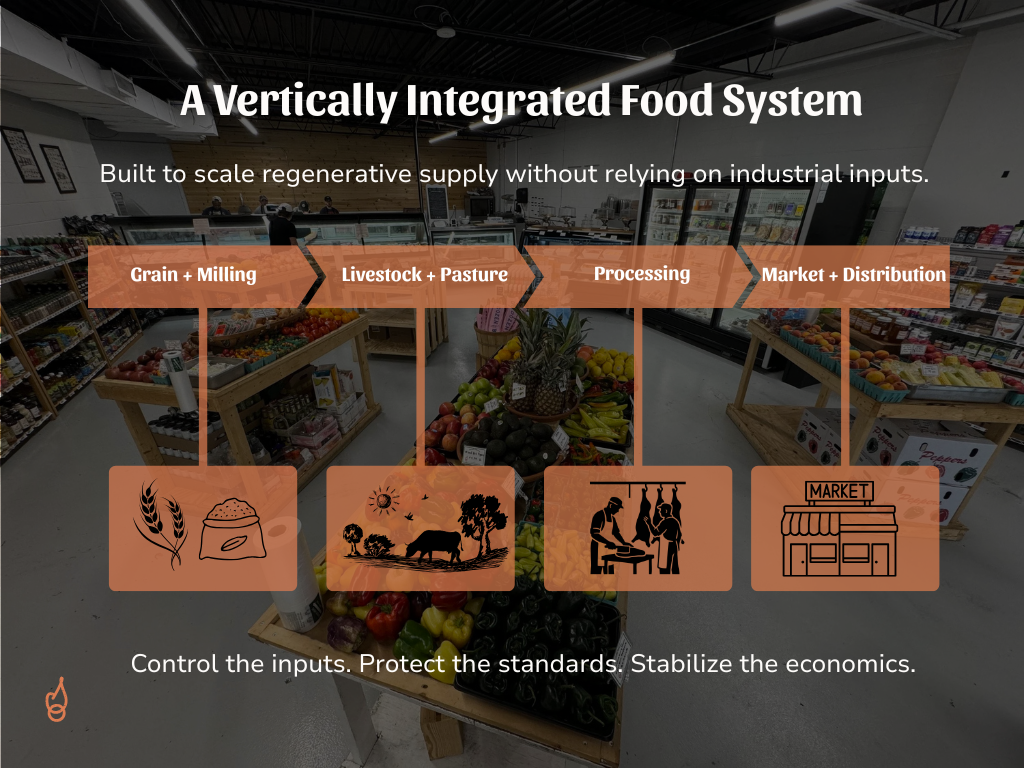
How the Smokin' Oaks Model Works
A resilient food system requires more than individual farms — it requires connected infrastructure.
At Smokin’ Oaks, we built a vertically integrated model designed to restore local food networks by linking production, processing, and community markets.
By reconnecting these parts of the system, we can support regenerative land stewardship, stabilize supply, and keep food systems rooted in the communities they serve.
Rebuilding Regional Food Systems Takes Community
The transition to a cooperative model at Smokin’ Oaks is about more than ownership—it’s about restoring the relationships that once connected land, farmers, and the communities they feed.
It’s a return to something foundational.
Across the country, conversations about the future of food systems are growing louder. At Smokin’ Oaks, we are not simply rethinking the model — we operate one.
Smokin’ Oaks is built on a vertically integrated system that reconnects land, livestock, processing, and community into a single regional food network.
If you’ve visited the Smokin’ Oaks market, you may have already met them.
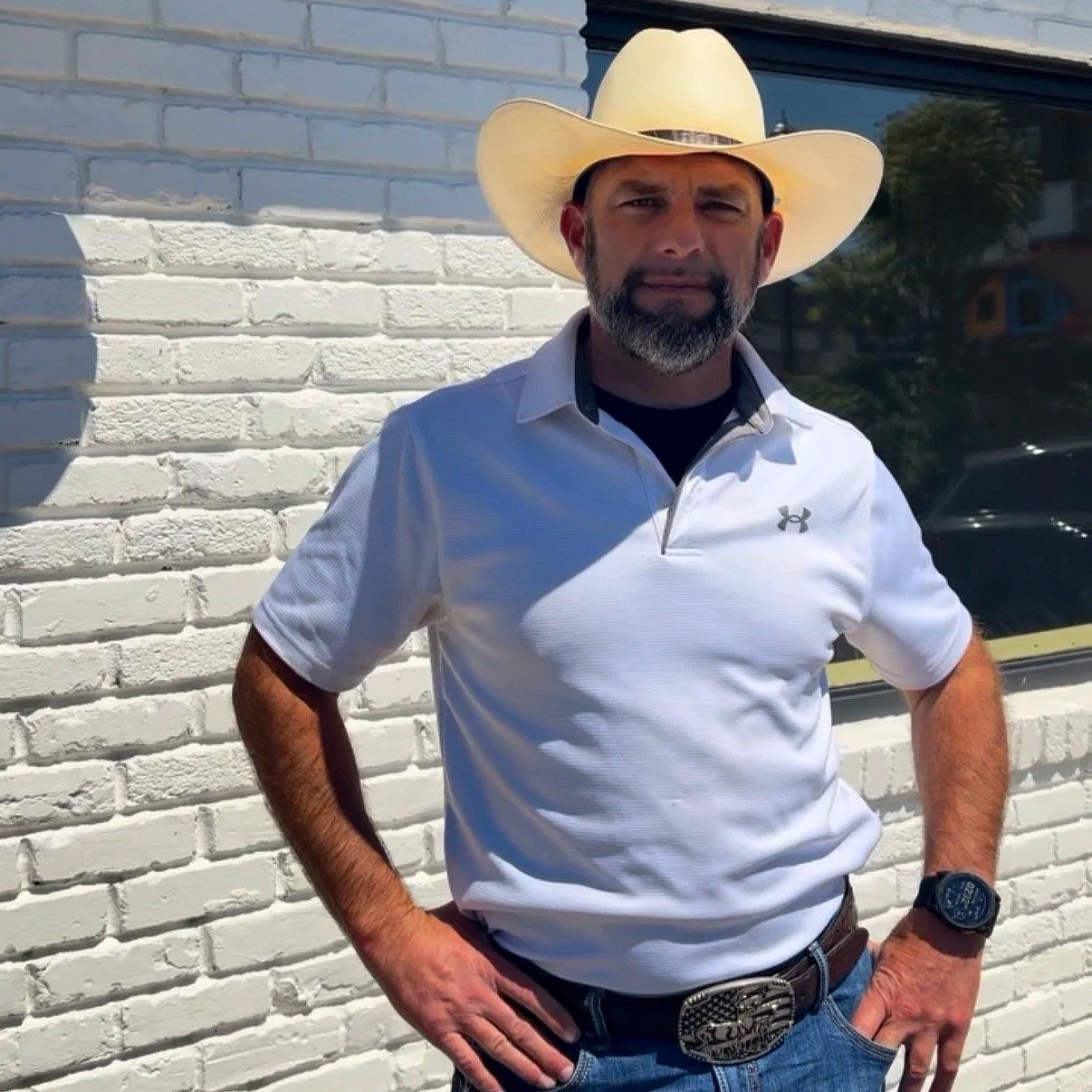
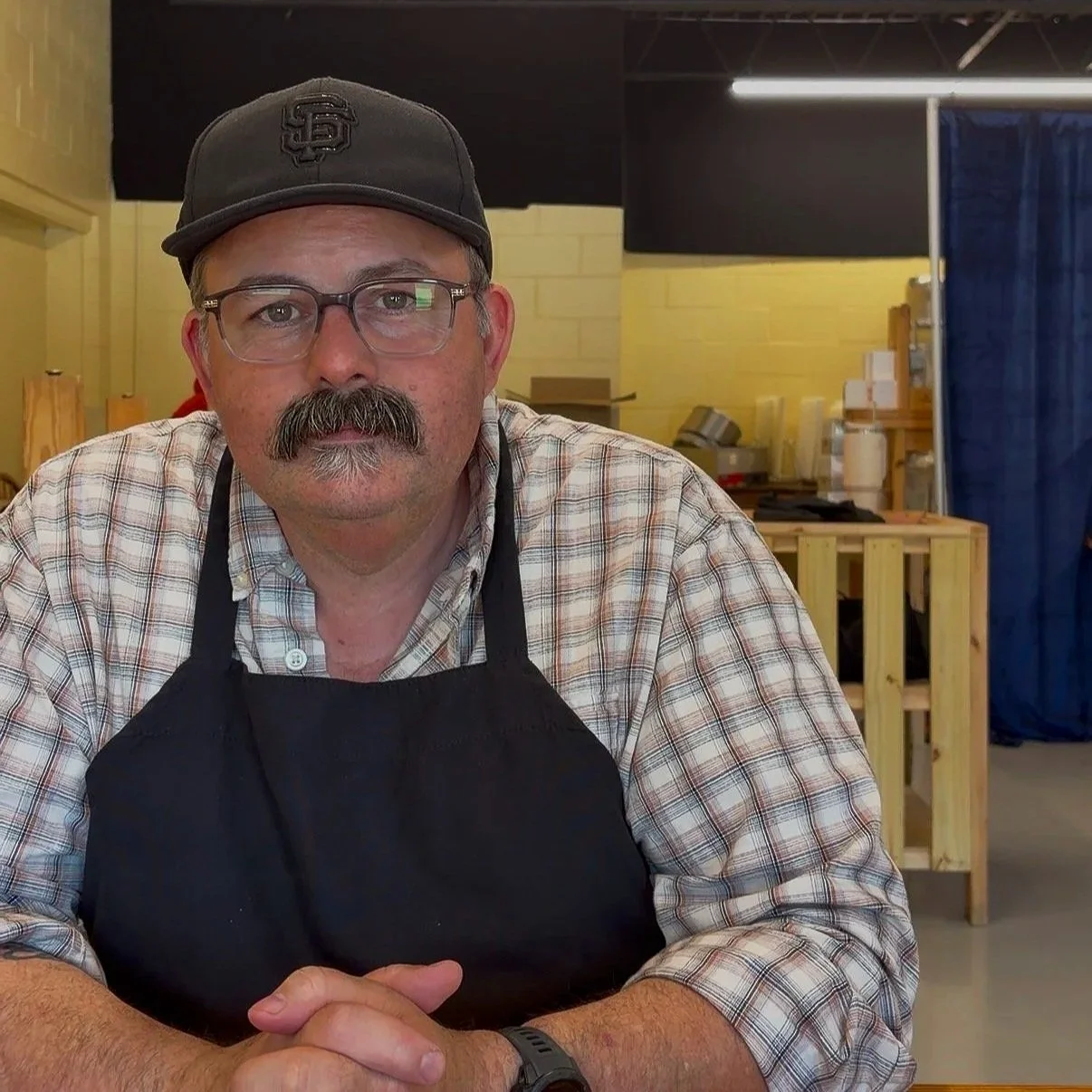
Founder Justin Head and Director of Retail Operations William Kruse are the leadership team helping shape what we’re building.
A conversation with our team is an opportunity to better understand the cooperative model, the system behind it, and what membership means for you.
🌱 If you’re curious to learn more—or want to explore how to be involved.
Fill out our form and one of our team members will be in touch!